A More Complete Diet Plan

While away on a break from writing original posts I thought I’d share some of my favorites with you from the past three and a half years. In mid-March I’ll return with more original posts. Until then, please enjoy these.

It certainly seems to me that there is no agreement about the best or perfect diet plan to follow. A casual glance reveals an incredible variety of approaches including ketogenic, Mediterranean, low-carb, Veganism, Carnivore and Paleolithic. I could easily name ten more I noticed during thirty seconds of research.

If you factor in specific issues and concerns, the complexity multiplies. We face so many varying physical challenges; diabetes, heart disease, dementia, cancer, allergies and so many more, all calling for modifications to any plan we choose.

It can easily become mind-boggling.

In wondering where to turn for wise counsel we seek out experts. Unfortunately for us, there are experts for every conceivable diet plan. Each has a set of facts to support their position, making it all but impossible to know what path to take.

Adding to this we may find that it is difficult to stick with whatever we do choose. Some diet plans are too restrictive or complicated or cut out all of the foods we like making it very difficult to adhere to them.

I am not a professional in the field nor would that ever be a claim I would make. It is always advisable to discuss all of your specific issues with a qualified medical professional.

What I am is a person who generates a lot of questions. I have found throughout my life that asking good questions prompts me into action, and action is what drives me forward. I am someone who tries to think into and out of issues so that I can offer perhaps a broad range of considerations which might be helpful to you.

For me, the primary question to ask before choosing any path is, ‘why’? What do you personally hope to experience? Weight loss, a fuller life, improve specific aspects of your health or simply look and feel better? Through my personal experience and that of others I know, I have come to realize that without answering the question, ‘why?’, it’s very difficult to apply any plan selected.

I sense it is also critical to take into consideration each aspect of myself; physical, emotional, mental, and spiritual. If I am missing any one of these, I’m unlikely to experience success.

Before I choose a diet plan (or any other important decision) I spend time having an inner dialogue and allowing my physical, emotional, mental, and spiritual selves to voice their concerns and desires. This may sound unusual to you, but sitting back and focusing on each voice provides an opportunity to flesh out my ‘why’ and any challenges which might make it harder for me to succeed.

It also feels important to me to define what ‘success’ means to me because I have little doubt we all end up expecting certain things to happen no matter what decisions we make. Keeping our expectations reasonable and realistic will surely assist us in reaching our aims.

Once you know your ‘why’ and have listened to your inner voices for direction and given some thought to your version of success, it becomes very important to create an action plan.

No matter what diet plan you’ve chosen, there are steps you’ll need to take to shift from what you’re doing presently to how you’re going to implement your new plan. Releasing old patterns and adopting new ones requires some will power.

Is it easy for you to alter your perspectives and habits or will this create major hurdles for you? I believe this is where your ‘why’ comes into play. Once you’ve answered the question of ‘why’, hopefully you’ve armed yourself with positive motivations you can use to overcome any challenges or difficulties you encounter. Having important physical, emotional, mental, and spiritual reasons for your choices gives you power and offers you your best chance for the success you desire.

Whatever you decide, I hope you experience a wonderful life.
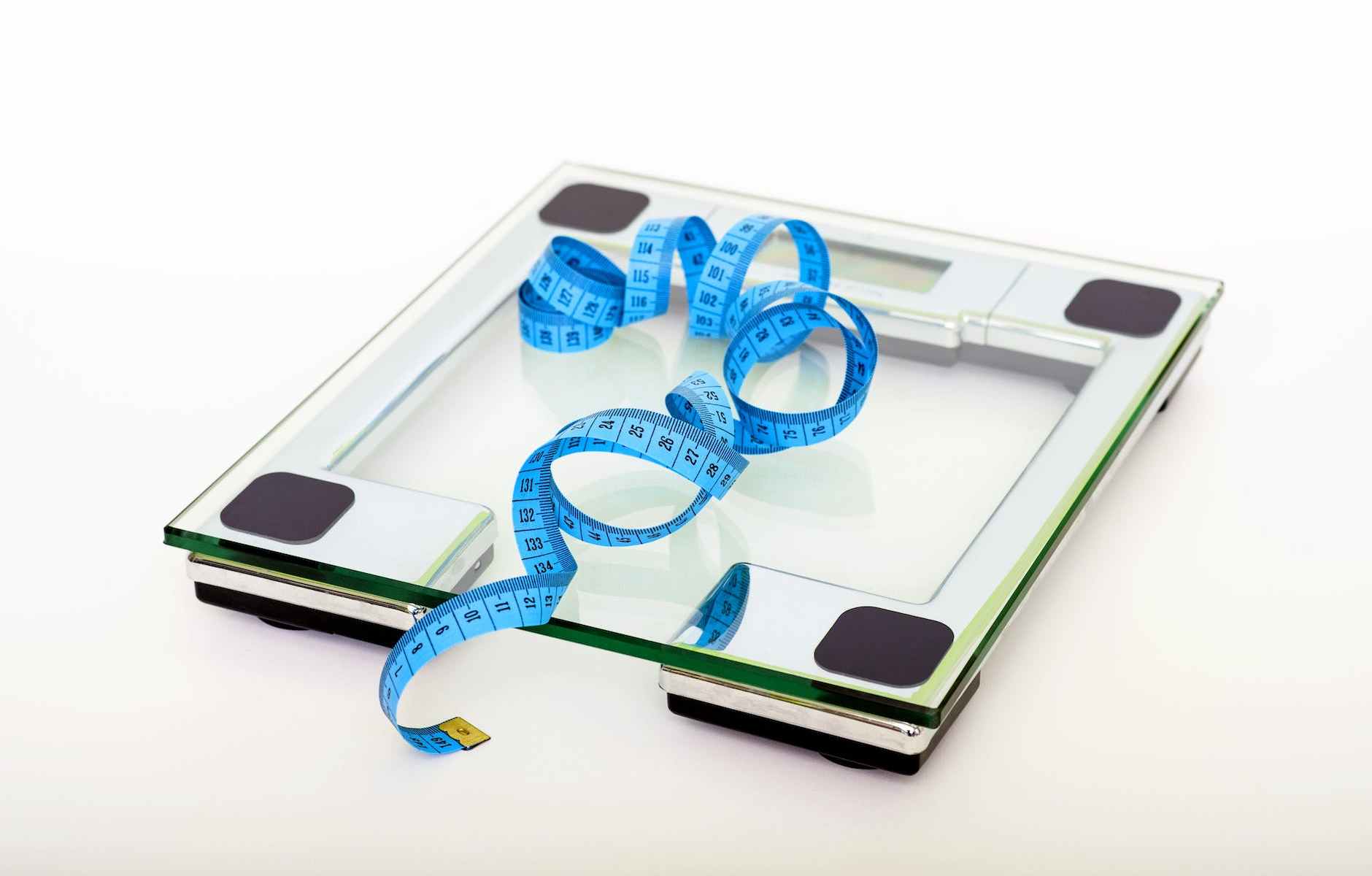
Was Buddha Worried About His Weight

I’ve only done this once before during the 2 ½ years I’ve been posting, but I want to repeat this post because it’s the most popular one to date. It seems important somehow to me to put this back out there…so, here it is.

One day I was wondering about all of the diets there are around, so I decided to investigate a little. A quick search of the internet produced thirty-nine diets, identifying their strong and weak points.

It was mind boggling.

How could anyone ever hope to understand all of the differences between them and conclude which would be the best to try, if in fact, you wanted to try one at all?

The specifics of each diet change depending on the emphasis of the plan. Many diets support the idea of increasing fruit, vegetables, fish and plant-based foods. Others capitalize on certain foods groups to counter physical conditions like, high blood pressure, diabetes, cardio concerns or to improve mental functioning. In all the cases I read about, nutrition and safety play a major role, but there seems to be a significant difference of opinion, depending on the expert who is providing the information.

Some diets are notoriously difficult to follow, while others make it too challenging to understand the differences between good and bad food items or some other key components.

In many cases there are supporting statements made to attempt to convince a potential dieter of the values or reasons for the individual plans. For instance, some report that the Paleo Diet says, “that if cavemen didn’t eat it, you probably shouldn’t either.”

It wasn’t until my mid 60’s that I felt the need for a diet. A gradual increase in my weight each year suggested I would be in trouble if I didn’t make some immediate changes.

So, off I went to Weight Watchers.

Their program stresses adherence to certain point goals (each food is assigned a point value) and highly recommends attendance at weekly meetings, to monitor weight and participate in conversations with other members, guided by an instructor.

I did, in fact, reach my goal and have been mostly successful in maintaining it, within a reasonable range.

What all of the instructors say is, that to be truly successful, you have to change your mind-set about your relationship with food. Merely altering what you eat for a short time, even though it might produce some results, will fail in the long run.

I believe they are correct.

I believe there is a lot more involved that allows a person to achieve their weight goals. Or, for that matter, any goals they might have.

This is where Buddha comes in.

Have you ever seen a picture of a slender, trim Buddha? I doubt it. Do you think Buddha spent any time concerned about his weight? I also doubt this.

Bear in mind here (BIG DISCLAIMER), I am not suggesting or recommending that you ignore the sound advice from your health professionals regarding any diet ideas they have, especially, if you have an obvious health concern.

What I do want to share is a thought about our ‘beliefs’, especially in relation to what we experience in life.

Considering all dieters, could the difference between those who are successful and those who are not, be their belief about the outcome they would experience, rather than the particular diet they were on?

If you substituted a different concept for dieting (academic, career, relationship, finances…), would it work the same way, meaning your outcome would be directly related to your belief about your outcome, rather than one of the individual steps you took?

It certainly feels to me like an important idea to consider, mostly because it alters the dynamic, shifting it from a conceptual form to one of belief, particularly if the belief is deep seated.

This idea is creating a shift in my mind-set about my food intake and maintaining my weight. What if I had a strong belief that it is not so much about what I eat, as it is about what I believe about what I eat?

That’s something I think Buddha would have something to say about.

Self-Acceptance

I’ve found that I can not grow without first accepting who I am. When I fail to do this, there are inevitable conflicts that arise.

Let’s say, for example, that I want to lose some weight. Some part of me has already determined that I am not acceptable the way I am. Maybe this would be okay if my health was at stake, and I truly needed to lose weight to save my own life.

But that’s not my case right now.

I want it for other reasons. I’m not sure I even know what they all are. A couple pop into my mind. I believe I would be physically more comfortable shedding some pounds. My clothes would fit better. And I would look better.

Hold on, wait a minute. I need to ask myself an important question.

Who would I look better to? Who do I feel I need to please? What benefit is it to me to please someone else? What do I need from them, that would cause me to alter how I look at myself?

I have to stop and answer these vital questions.

If I am trying to lose weight for someone else, haven’t I already contaminated my purpose?

There’s more to it. If I am trying to lose weight and get on the scale every day and am disappointed with my results, a part of me refuses to accept me as I am. There is a sense of sadness and maybe anger.

I am forced to wonder; will I ever be able to accept me as I am? Is there some magic number on the scale that will satisfy me?

Let’s say for the sake of argument that there is a magic number and that I convince myself that I will always be happy with this number. The obvious challenge now is, how do I stay there? What amount of time and energy and commitment will it take to remain at this ‘ideal’ weight? This arbitrary number I’ve chosen, becomes my prison sentence.

So, I ask, what is it going to take to release this kind of thinking?

A companion question comes up. What is the comparison between remaining at this restrictive target weight and seeking and finding self-acceptance of who and what I am and, in this case, what I look like to myself?

Which is the far greater prize?

If I listen carefully, I hear my answer. ‘You are loved, just the way you are.  You do not need to do anything to be worthy of love.’

The voice goes on to say, ‘Love is yours for the asking. You are acceptable just as you are. Once you know this as true for you, you can change anything in your life. You can change anything, not because of fear, but because of love. You can add more love into your life and shift whatever you choose, not because you feel you need to, but because you see new possibilities and hold new dreams.’

This is what I was waiting for. A way to release my fears and embrace self-acceptance, knowing it belongs to me.

I hope that you know it belongs to you too.

As you’ve been reading this, our focus has been on weight loss, but self-acceptance is so much more than this. It applies to every aspect of our lives, and the answer is always the same. ‘You are loved just the way you are.’

Note: To make a comment, please click on the Post Name, then scroll to the bottom of the page, write your comment in the box and hit enter.