
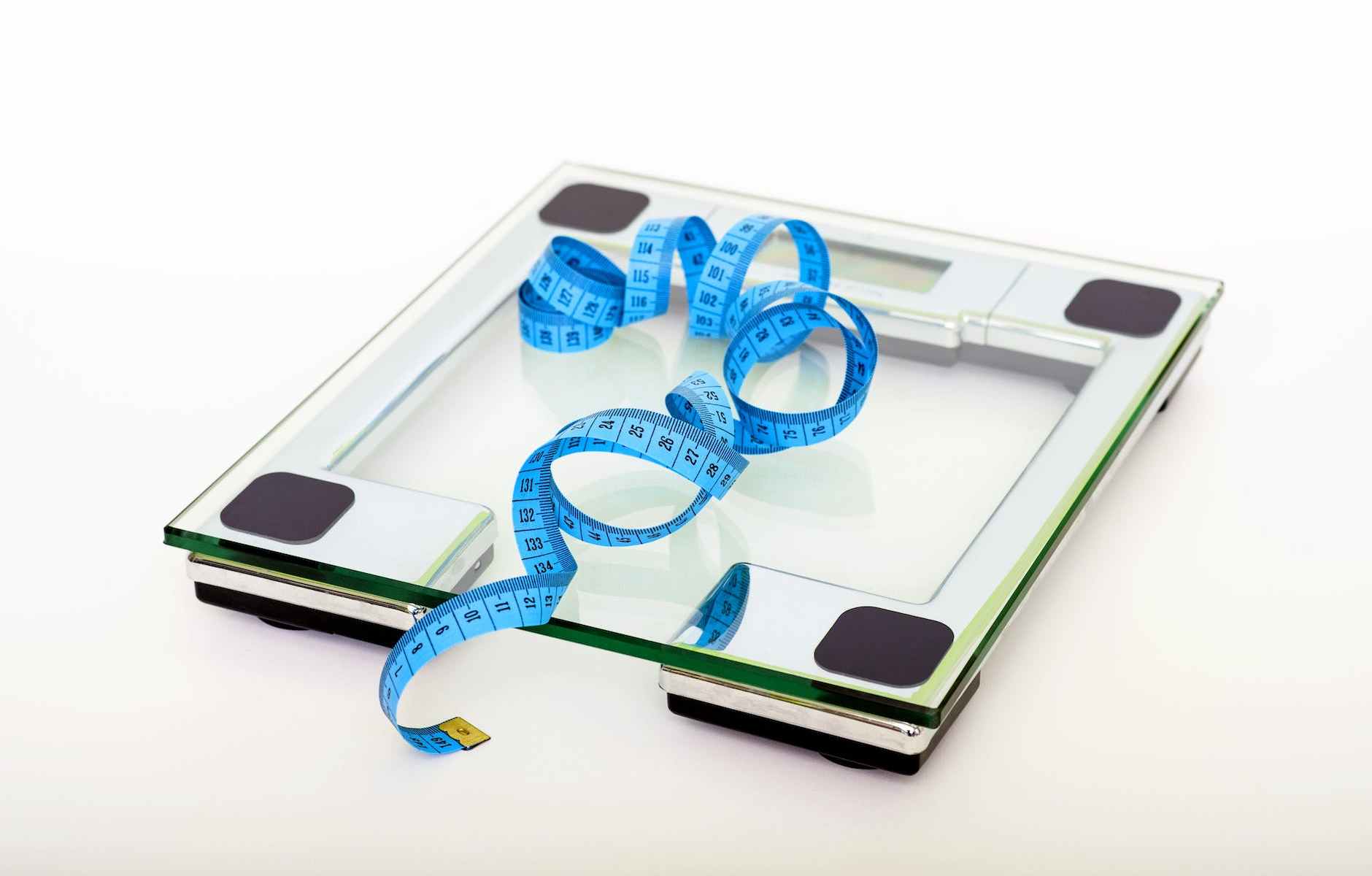
I’ve only done this once before during the 2 ½ years I’ve been posting, but I want to repeat this post because it’s the most popular one to date. It seems important somehow to me to put this back out there…so, here it is.
One day I was wondering about all of the diets there are around, so I decided to investigate a little. A quick search of the internet produced thirty-nine diets, identifying their strong and weak points.
It was mind boggling.
How could anyone ever hope to understand all of the differences between them and conclude which would be the best to try, if in fact, you wanted to try one at all?
The specifics of each diet change depending on the emphasis of the plan. Many diets support the idea of increasing fruit, vegetables, fish and plant-based foods. Others capitalize on certain foods groups to counter physical conditions like, high blood pressure, diabetes, cardio concerns or to improve mental functioning. In all the cases I read about, nutrition and safety play a major role, but there seems to be a significant difference of opinion, depending on the expert who is providing the information.
Some diets are notoriously difficult to follow, while others make it too challenging to understand the differences between good and bad food items or some other key components.
In many cases there are supporting statements made to attempt to convince a potential dieter of the values or reasons for the individual plans. For instance, some report that the Paleo Diet says, “that if cavemen didn’t eat it, you probably shouldn’t either.”
It wasn’t until my mid 60’s that I felt the need for a diet. A gradual increase in my weight each year suggested I would be in trouble if I didn’t make some immediate changes.
So, off I went to Weight Watchers.
Their program stresses adherence to certain point goals (each food is assigned a point value) and highly recommends attendance at weekly meetings, to monitor weight and participate in conversations with other members, guided by an instructor.
I did, in fact, reach my goal and have been mostly successful in maintaining it, within a reasonable range.
What all of the instructors say is, that to be truly successful, you have to change your mind-set about your relationship with food. Merely altering what you eat for a short time, even though it might produce some results, will fail in the long run.
I believe they are correct.
I believe there is a lot more involved that allows a person to achieve their weight goals. Or, for that matter, any goals they might have.
This is where Buddha comes in.
Have you ever seen a picture of a slender, trim Buddha? I doubt it. Do you think Buddha spent any time concerned about his weight? I also doubt this.
Bear in mind here (BIG DISCLAIMER), I am not suggesting or recommending that you ignore the sound advice from your health professionals regarding any diet ideas they have, especially, if you have an obvious health concern.
What I do want to share is a thought about our ‘beliefs’, especially in relation to what we experience in life.
Considering all dieters, could the difference between those who are successful and those who are not, be their belief about the outcome they would experience, rather than the particular diet they were on?
If you substituted a different concept for dieting (academic, career, relationship, finances…), would it work the same way, meaning your outcome would be directly related to your belief about your outcome, rather than one of the individual steps you took?
It certainly feels to me like an important idea to consider, mostly because it alters the dynamic, shifting it from a conceptual form to one of belief, particularly if the belief is deep seated.
This idea is creating a shift in my mind-set about my food intake and maintaining my weight. What if I had a strong belief that it is not so much about what I eat, as it is about what I believe about what I eat?
That’s something I think Buddha would have something to say about.

 Messages For Inspiration