Time to Reconsider

I have many teachers in my life, some exist in proximity to me, others are farther away. Each of them reminds me of things I want to learn to release or to be at peace with. They are predominantly things that irritate, annoy or upset me.

I guess by now I ought to be used to this, but I’m not.

If I am not careful, I get sucked into their orbit and react in kind. This does not serve me.

To be at peace, I know I need to release any attachment to my version of what is ‘right’. I wonder to myself, how is this done?

At first glance, I’m tempted to accept and embrace what my culture has taught me, which is that I deserve to feel the way I do, about anything. If I can find someone who shares my feelings or who otherwise supports my right to feel the way I do, I have no incentive to make any changes, despite the amount of conflict and internal suffering I experience.

Feeling justified is an end unto itself and it halts all other thoughts and holds me in place.

The other thing it does is it creates a host of troublesome feelings inside me and ultimately keeps me from any sense of peace or freedom.

It’s too high a price to pay.

My feelings create a crack in the doorway, a place where some light comes in. And when the light hits my feelings, I sense there is the possibility for change.

Perhaps my view of the world is wrong. Perhaps there’s another way to view my situation that would be better for me. Perhaps I don’t have to stay in the rut created by constant reinforcement.

This feels like good news to me. I try to open my eyes and heart further. What change could I make that would allow my life to be more peaceful, contented, even joyful?

The first thing that occurs to me is that I could remind myself that there are numerous ways to live in this world. This translates as, my way may not be the best or only way and others’ views might make more sense.

It takes some inner strength to say this out loud to myself. For whatever reason, it’s challenging for me to think I have it wrong, but what a wonderful opportunity it is for me to entertain this idea.

This whole concept is one of suspended belief and judgement. A sort of time out or pause, so that I can reconsider what I believe.

It’s a mind opening invitation I can give myself.

If I sit back and think about any given situation from a neutral position, maybe I’ll see a bigger picture, one that may offer me a wider view and provide space to see if what I believe still rings true.

It feels like a wise choice to make and I’m going to give it a try.

Another View of Death

I realize that death is a very difficult topic for many people, both when thinking about the death of others and as it pertains to themselves.


We’re generally steeped in our cultural and religious views and tend to accept whatever we’ve been told since we were children. Perhaps every so often we’ll challenge some of what others told us, but mostly I think we run on autopilot, treating the whole issue of death based on how our parents or other influential people in our lives trained us.

I’m not sure exactly why, but I don’t automatically accept what others tell me. I’ve had to figure most things out for myself, to have them fit together in a way that makes sense to me or at least line up in some kind of order.

So, when I think about the subject of death, I challenge myself to see it from different perspectives.

One example of this is a poem I wrote. I wanted to explore with an open mind, so I sat and allowed thoughts, ideas, and pictures to form.

Here’s what came through me.

Death

God’s most misunderstood child

A child I’ve known and come to love completely

A guardian of the gate, a part of the dark mist before the veil

The first to welcome you back

before any of the bright lights appear

A beautiful poet with words that are music

An usher toward your own destination

according to your own beliefs

A friend who has waited patiently

for the moment of your choosing

How divine to know that true life begins with this child

What peace to know love and bliss share this child’s name

How thankful for this I am.

I feel a need to explain a little and to give you some context.

I have memories of life in heaven before I came to earth. They are mostly images and feelings and very difficult to translate into words. I think that’s the way it is with some things, they transcend what we are able to communicate to each other.

The poem attempts to offer an alternate view by sharing that death is a transition back to a place of love and bliss. I absolutely believe this. I know this because I’ve been there and will return once this earthly life is over. There is enormous peace in this.

I fully recognize that we all have your own set of beliefs surrounding death and that many of them are based on how deeply we miss those who have died, especially if it was under horrible circumstances.

I’m not saying that the associations with death are not painful or are easy to manage, but I do feel there is something important about knowing where we and those we love go to next, that can alter how we feel about death.

From my perspective of having been in heaven before coming here, I understand there is something very important to remember.

It may not feel right to you, because we judge things solely from our earth world perspective, but what I remember is that every essence is there in heaven. No essence is excluded, regardless of what role they played while on earth. We all came from heaven, and we all return to heaven, pure and sacred. And because of this, death means something different to me. Not an end, but a new beginning. A reunion with the divine.

There is a guardian at the gate who never judges, never refuses. They always welcome every essence back, because it is everyone’s home. Death is just the doorway we enter from.

Exile

Have you ever felt exiled? Sent away to be by yourself as an outcast? Or maybe shunned for some reason?

It’s a terrible feeling.

Fortunately, I’ve only experienced this for brief periods of time, but certainly long enough to feel compassion for those who encounter it as part of their normal day to day existence.

How does this happen? Who gets to say whether someone is allowed to be a part of a group or needs to be ignored or worse yet, forcibly removed?

Who gets to decide which language is correct, which skin color is acceptable, which spiritual or religious beliefs are permitted, which set of skills or abilities makes one useful or worthwhile?

When I tried to answer this question for myself, it was plain to see, that it’s me. I am part of the decision, either because I agree with it, or because I don’t object to it. Perhaps the same applies to you. Maybe you have your own set of beliefs that create restrictions and establish boundaries, like I do.

I think it’s an easy thing to slip into, so much so that we even do it to ourselves. We act in certain ways and feel guilt or shame or unworthiness. One part of us shuns another part of us. It blames our ‘bad’ behavior on our parents, our teachers, leaders, anyone but us, if it can.

I search for something existing below the surface of all of this. I want to find where this began and maybe fix it or heal it. Something, anything, to shift away from these feelings of pain and suffering.

In my exploration, I discovered that the sense of being exiled or shunned existed at a fundamental level and represented one of my biggest mistakes of understanding.

I was brought up to believe there was a right way and a wrong way to do things. My training was similar to others in that I accepted what the leaders in my community told me. They were the experts and were not to be questioned. I was coached to be respectful of them, which included not asking deep questions and that it was not my place to probe like this.

What I later learned was that it made them uncomfortable, and I noticed that they had no real expertise that would shed light on things for me, so I exiled myself from them and went my own way.

It was then that I recognized I’d been living a life of ‘separation’. My mistake was to see myself as separate from god, not a part of god. I’d been told this view was blasphemous, true heresy.

But I came to realize it was the truth for me, so I sought out a personal relationship with god. One based on honesty and integrity and love.

I asked god if we could talk, one to one, about anything, everything. And god responded that it was god’s fondest desire to spend time with me and with anyone who wanted god in their life. God told me that no matter what I asked, what mood I was in, what questions I had, god would answer me.

God healed my separation, restored our relationship, made me feel whole, holy, divine. I’ve spent the last twenty-six years having intimate conversations with god, asking questions, and receiving answers. The only ‘requirement’ is that I be quiet enough in order to listen and hear what god has to tell me. Once told, it is still my decision what to do. If I want to, I can run off completely ignoring god’s insight and counsel or I can pay attention, release my cultural training, tune in to what god shares with me and reclaim my sense of wholeness. To me, the decision is easy.

I know what I want to feel and what I want to experience in my life, and I know how to bring this about. I know casting off any sense of separation is the first step, then inviting god to join me in conversation and listening to what god has to share. When I do this, everything falls into place. It does for me, and it can for you, if that is what you ask for.

NOTE: should you be interested in beginning your own personal relationship I’ve shared my story, along with other’s insights in my book, talking with (god), available on Amazon in print or eBook formats. Open Amazon, enter Rob H. Geyer books in the search bar and all of my books will appear.

Closets

I believe this is the first post that I have written that forced itself out of me. The topic kept coming back and despite the fact that I resisted it, it would not be denied.

Why? What was I trying to avoid? I wasn’t sure but I knew I had to explore it.

Have there been times in your life when you knew something important was about to happen, but there was an element of concern in your mind? Maybe I ought to be clearer, I don’t mean ‘concern’, but straight up ‘fear’.

That’s the sense I had when the topic, ‘closets’, came into view.

The first thought I had was simple enough. After all we have lots of closets in our house, most of them pretty full. Some have clothes, shoes, boot, jackets, hats, and other articles of clothing. Others have towels, sheets, our vacuum, extra Kleenex and toilet paper, and a host of miscellaneous things.

Okay, no big deal there.

I did notice that closets are places to hide things you don’t want to see out in the open, because they would be too messy or take up too much space you need for other things.

This observation seemed to offer a clue, but the picture still wasn’t clear.

I remembered a saying about closets, that they are a place to store your skeletons. I checked out Wikipedia and discovered the saying came from 19th century England and was an idiom used to describe an undisclosed fact about someone which, if revealed, would damage perceptions of the person.

So, now I’m getting closer. Closets are an important hiding place for what you don’t want others to know about you. They house secrets and hide what we might describe as shameful things. I wondered; don’t we all have things we hope never see the light of day? Things we’ve thought or done that if others knew, would alter their opinions of us?

That’s closer to my fear about not wanting to write this post, but not the end point yet.

It only took a second longer to realize that closets have a much more significant reference point…’coming out of the closet’, where an individual reveals their sexuality, rather than hiding it. For those brave people who take this extraordinary step in their lives, I want to say, bravo to you.

Allowing others in society to dictate who a person can or cannot be through the use of shame, denial, stigma, humiliation, or any other form of control, devalues all humanity, especially those who refuse to continue hiding who they really are.

Unfortunately, many feel a strong sense of need to adhere to a set of religious beliefs that have been taught to them. Beliefs that are fear based rather than love based.

I fully realize this is an emotionally charged topic and is often seen as divisive, with only polar views, so that any stand I voice may be both popular and unpopular.

Okay, now it’s obvious to me why I wanted to resist this post.

But I have to take a stand.

I believe in love. Love opens, expands, embraces, forgives, accepts, is compassionate, caring and, valuing. It is the foundation of everything.

I also believe that the only role that fear plays is to be a messenger, a guide, a redirection from itself back to a state of love. Fear is meant to be temporary. Love is meant to be permanent.

I stand with all those who believe in love and encourage all those who believe in fear to use it to return to love.

Everything is out in the open in love and nothing is hidden, nor does it need to be. I believe we all are meant to be who we are in this life. We have free will for this very purpose and it is not up to anyone to control another’s view of their life. I believe love offers us all a chance to embrace our lives in the ways we choose.

Was Buddha Worried About His Weight

I’ve only done this once before during the 2 ½ years I’ve been posting, but I want to repeat this post because it’s the most popular one to date. It seems important somehow to me to put this back out there…so, here it is.

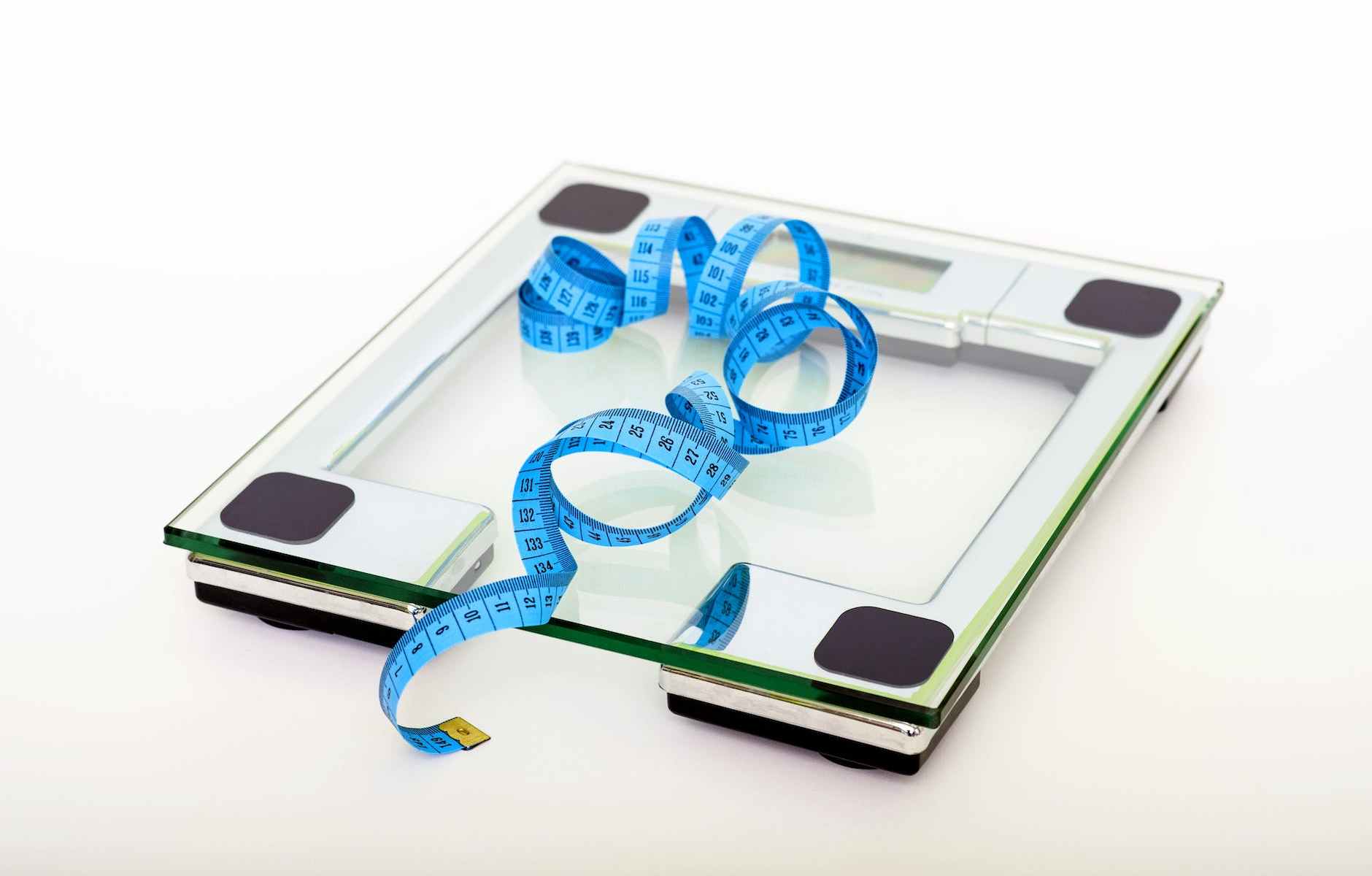
One day I was wondering about all of the diets there are around, so I decided to investigate a little. A quick search of the internet produced thirty-nine diets, identifying their strong and weak points.

It was mind boggling.

How could anyone ever hope to understand all of the differences between them and conclude which would be the best to try, if in fact, you wanted to try one at all?

The specifics of each diet change depending on the emphasis of the plan. Many diets support the idea of increasing fruit, vegetables, fish and plant-based foods. Others capitalize on certain foods groups to counter physical conditions like, high blood pressure, diabetes, cardio concerns or to improve mental functioning. In all the cases I read about, nutrition and safety play a major role, but there seems to be a significant difference of opinion, depending on the expert who is providing the information.

Some diets are notoriously difficult to follow, while others make it too challenging to understand the differences between good and bad food items or some other key components.

In many cases there are supporting statements made to attempt to convince a potential dieter of the values or reasons for the individual plans. For instance, some report that the Paleo Diet says, “that if cavemen didn’t eat it, you probably shouldn’t either.”

It wasn’t until my mid 60’s that I felt the need for a diet. A gradual increase in my weight each year suggested I would be in trouble if I didn’t make some immediate changes.

So, off I went to Weight Watchers.

Their program stresses adherence to certain point goals (each food is assigned a point value) and highly recommends attendance at weekly meetings, to monitor weight and participate in conversations with other members, guided by an instructor.

I did, in fact, reach my goal and have been mostly successful in maintaining it, within a reasonable range.

What all of the instructors say is, that to be truly successful, you have to change your mind-set about your relationship with food. Merely altering what you eat for a short time, even though it might produce some results, will fail in the long run.

I believe they are correct.

I believe there is a lot more involved that allows a person to achieve their weight goals. Or, for that matter, any goals they might have.

This is where Buddha comes in.

Have you ever seen a picture of a slender, trim Buddha? I doubt it. Do you think Buddha spent any time concerned about his weight? I also doubt this.

Bear in mind here (BIG DISCLAIMER), I am not suggesting or recommending that you ignore the sound advice from your health professionals regarding any diet ideas they have, especially, if you have an obvious health concern.

What I do want to share is a thought about our ‘beliefs’, especially in relation to what we experience in life.

Considering all dieters, could the difference between those who are successful and those who are not, be their belief about the outcome they would experience, rather than the particular diet they were on?

If you substituted a different concept for dieting (academic, career, relationship, finances…), would it work the same way, meaning your outcome would be directly related to your belief about your outcome, rather than one of the individual steps you took?

It certainly feels to me like an important idea to consider, mostly because it alters the dynamic, shifting it from a conceptual form to one of belief, particularly if the belief is deep seated.

This idea is creating a shift in my mind-set about my food intake and maintaining my weight. What if I had a strong belief that it is not so much about what I eat, as it is about what I believe about what I eat?

That’s something I think Buddha would have something to say about.

What Are You Afraid Of

Okay, so what are you afraid of? You don’t have to tell me of course, but if you chose to write out a list, what would be on it?

I would be very curious to see how many of the items we had in common.

I’ll share some of mine with you:

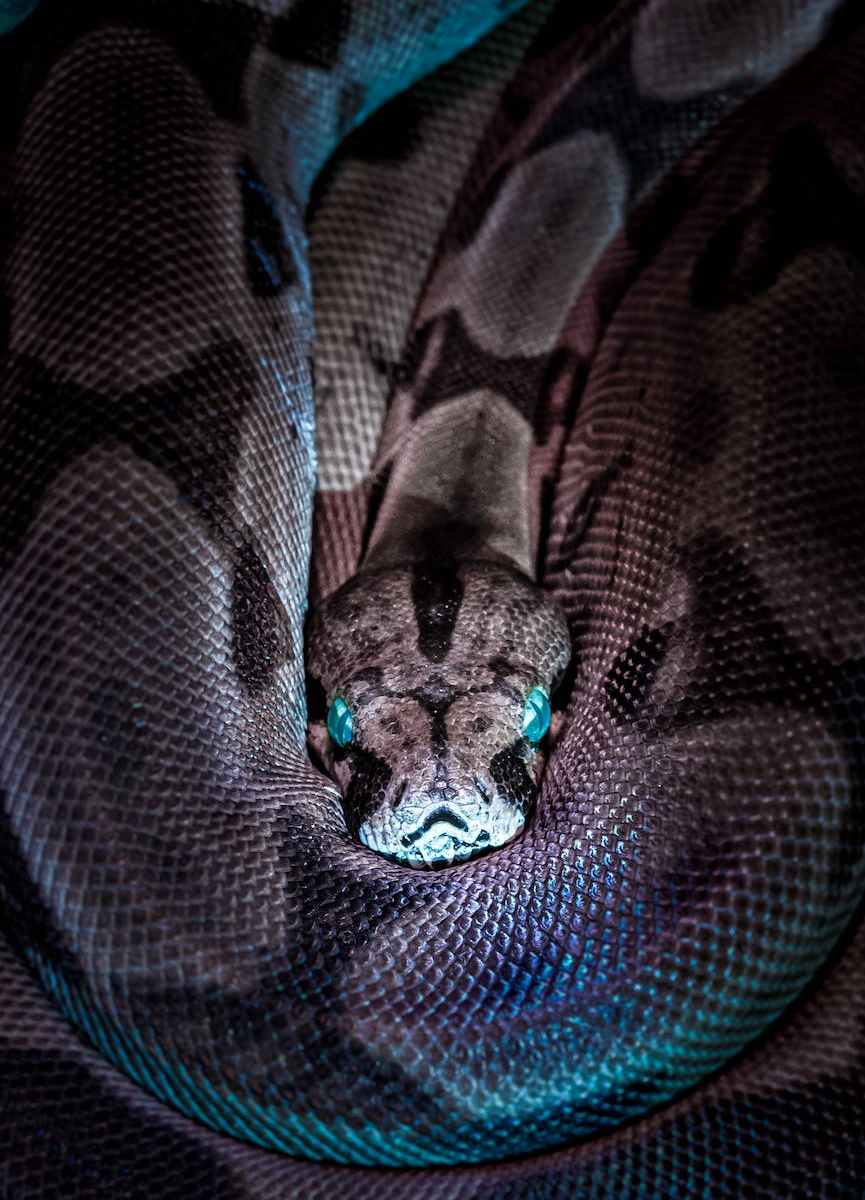
spiders, snakes, heights, abandonment, rejection, others anger, some driving conditions, health concerns, epic failure, grand scale success, falling and getting hurt…

I’m sure there are a lot more. These are simply the ones that popped out the fastest.

Part of me wonders if there is something that ties them all together. Did I inherit them from my parents? Did they all happen early in my life when I didn’t have the defense mechanisms I have today?

I don’t immediately see any common threads.

Then I wonder, are my fears real or imagined? What I sense is that they FEEL real to me and that’s enough.

Another part of me asks, is there a distinction between being afraid versus not liking or preferring something? Could I substitute the word ‘uncomfortable’ for ‘afraid’?

I review my list to see and conclude that for most of the items, the answer could be YES, they make me uncomfortable, which begs the next question. Why?

Why, out of all of the things I experience in my life, do these items make my list? What is their source?

I wonder if I discovered their source, would it make a difference?

I scan my list again and determine that in most cases, YES, it would make a difference. If I knew WHY, I might be able to more easily release them. I could take back the power they hold over me.

That’s an appealing idea and it prompts a new question. What can I do to reveal the underlying cause or concern?

Here’s one thing that occurs to me. Most of the items on my list are NOT concerning from a distance. I can see a spider or a snake several feet away and not be scared. It’s only when I’m near enough for it to touch me that the fear kicks in.

Why is that? Does that same theory hold true if I substitute fear of failure or success for spiders and snakes? Is it true that from a distance failure and success pose no threat, but as they get closer, they produce fear?

Another question enters the picture. Is there an ‘edge’ involved here? Is it true for me that everything is okay until it reaches an ‘edge’, a point where it becomes more real to me?

I sit with this for a while then realize, yes, that feels true to me. So, now what? What resources are available to me? What decisions could I make so that I can feel better and be less fearful?

No doubt there are many self-help books which offer sound, practical, useful advice. And there are numerous professionals available to perform wonderful support and aid to those in need.

For me though, I want to see if I can solve my own challenges first, so I begin to look deeper within. I seek to move beyond the ‘edge’ and into previously uncharted territory. Did I adopt beliefs others in my life taught me? If they shared their reasons, do I still see any value in them? Is there real danger or are my concerns imaginary? Do I choose to release myself from their grasp or are they all worth keeping?

These are all important questions for me to answer.

I realize we each have our own lists and our own set of decisions to make about the items they contain.

I hope you end up choosing wisely and profit from your decisions.

The Origin of Disease

I am curious about where diseases come from. It seems to me there could be many sources and I wonder how much control any of us have over them.

Are you curious as well? Have you ever wondered it’s just the luck of the draw whether you get sick or do you think there is more to it?

I am not a doctor or scientist, and I don’t profess to have any of the answers, but what I do have is a lot of questions, some of which might be valuable.

After doing some preliminary research there seems to be a sense that perhaps most disease results from interactions with an individual’s environment. Some harmful external force impacts our internal workings and creates an interference with our normal healthy selves.

It’s not too hard to believe this is the truth, especially when you consider air, water and soil pollution, toxic chemicals, contaminated food sources, insect and other infestations. And when you add in other disease sources likes viruses and bacteria, the list of possible diseases expands rapidly.

I discovered that it is felt by some that there is a simple underlying factor, which is that when disease is present, there is an imbalance within our physical system. That seemed to make sense to me. When something that does not belong in one place is introduced, it certainly could interfere with normal functioning.

And as much as disease effects our physical being, it also impacts our emotional, mental, and spiritual selves. It feels true to me that when one system is compromised, others may be as well. This of course compounds the problem, and no doubt creates more challenges in the healing process.

I am extremely grateful for the whole medical community and their contributions in identifying and treating all of the diseases that afflict us.

What I am wondering about is the impact of our thoughts and beliefs regarding disease. How much influence do they have on whether and to what extent we experience diseases in our lives?

Is it possible that what we think will happen (good or bad thoughts) effects our experience of any disease? Is it possible that our beliefs create our diseases? If so, is it possible for us to return to health, with new or different beliefs?

These are the intriguing questions that run through my mind. Of course, each person would need to answer these for themselves. I wondered how a person goes about making their decisions, and began considering my beliefs about health, wellness, and disease.

Would there be any value in thinking about the sequence of events that led up to the disease’s arrival or is there too much randomness?

Personally, after giving all of this a great deal of thought I have come to a few conclusions I’d like to share. Of course, none of these are intended to sway you from seeking qualified professional help or medical treatment. They are just some things you might want to consider for yourself.

It seems to me that my beliefs play a key role in my overall health and depending on my decisions, contribute to experiencing wellness or disease.

What I believe creates my life experience.

A simple case in point was a belief that if I got cold (walked outside without the proper clothing) I would catch a cold. It worked EVERY time, until I changed my belief. One day, I decided to shift my belief and told myself that what I used to believe was no longer true. Interestingly, I’ve never had another cold merely from being cold.

What would be fascinating to know is how many diseases in my life were created by my beliefs, rather than from an outside environmental source. It’s unlikely that I could ever know this, but what it suggests to me is how beneficial it would be to investigate my beliefs whenever I experience any dis-ease.

Steps to New Beliefs

Recently I’ve been thinking a lot about the beliefs I hold and wondering if they all benefit me.

If I asked you, would you say that all your beliefs serve you? Do they help you throughout your day, save you time, improve your relationships, make you happy?

Have you ever wondered if you would be better off if you changed some of your beliefs?

Either fortunately or unfortunately, I ask myself this kind of question all the time. I’m happy about it when the answers come easily, but not so happy when they don’t. I have to confess, more often than not, they don’t come very easily.

However, what I’ve also discovered is that that’s not a bad thing, because much of their eventual benefit to me is found in the struggle I have while considering my beliefs.

Even so, I do occasionally get stuck and need some help digging out.

By now you probably know my source for aid often comes from Lia, a feminine voice of god that speaks gently to me.

When I reached a low point in trying to mentally figure out the origin and benefits of a belief recently, I became fatigued and disappointed. That is always my cue to sit back, close my eyes and breathe deeply, allowing my mind to take a much-needed break. It is then that I can hear Lia’s voice clearly.

So that’s what I did, and I was absolutely shocked by her words and contribution to my sanity.

She guided me through a process which transformed something in me. It shifted my whole perspective and gave me a fresh approach to use, one that felt very right to me. It felt so right in fact, I wanted to share it with you.

Lia cautioned me to not make it too formal a process, but rather to listen to the intent of each of the series of steps she provided. For me, the name I used for ‘beliefs’ in this case was, ‘problems’, so when you see the word appear, remember this is my reference.

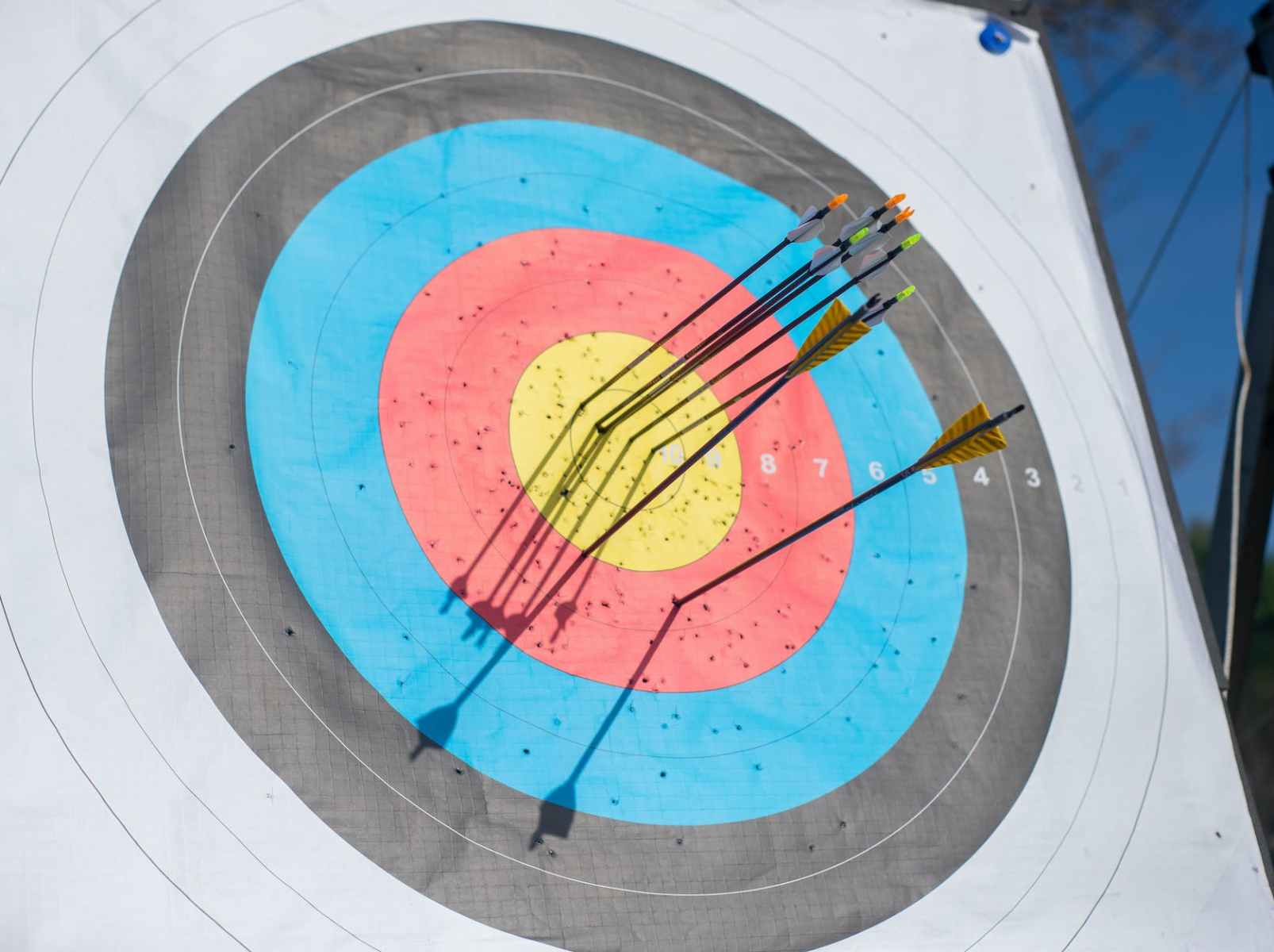
Step 1: Identify all of your ‘problem’ areas, because it is very difficult to hit a target you cannot see or name.

Step 2: Note (list) your obstacles and objections about this process. Be candid about your roadblocks. Take note of each of your fears as they appear.

Step 3: Review you list of obstacles and objections, then reread them and note any clarifying thoughts. See how fear drives each of them and consider whether ONE speaks for all the rest (this would be your primary fear).

Step 4: Examine your primary fear and realize that every fear is a message about a belief you have.

Step 5: Explore all of the messages you encounter. Ask the primary fear- how will my answers speak my truth to me? Or in other words, what is their purpose? Recognize that the answers are always tied to your spiritual blueprint (the experiences you came here to earth to experience). Know that each message is drawing your attention and will become louder, until it has your full attention.

Step 6: Realize that your beliefs form the basis for all of your experiences in life and that shifting your beliefs allows you to create (choose and claim) any reality you desire.

Step 7: Applying the message reveals ways to shift your life (through choosing and claiming) so that you live a new truth, one that will serve you.

I am currently playing with this new approach to understanding my beliefs and shifting the ones I feel will be most worthwhile to change. So far, I’ve discovered some rich rewards and I hope you experience the same thing, should you decide to give this a try.

Searching for Beliefs

Where do our beliefs come from?

Most likely some are taught to us directly, while others we seem to absorb without knowing when or where they came from.

Then there are beliefs we choose for ourselves with intention. If I think about my life, there are beliefs I hold, both because they have a strong appeal to me and ones, I’ve chosen in reaction to what others attempted to force upon me.

Choosing our beliefs may take quite a while. We might feel it’s important to spend the time to sift through all the fiction to find the facts. And even then, it can be overwhelming because certain facts feel very slippery. What is undeniable one day can change over time. Add to that, that the experts don’t agree, and that new research is always occurring and our comfort level with the beliefs we’ve chosen may decline further.

There are other difficulties in the process. Here’s just one simple example.

Have you ever been to the doctor’s office and seen the height chart attached to the wall? You’re asked to stand with your back against it, while the nurse or doctor determines your exact height. There is an underlying assumption that the chart was correctly installed. But suppose that it wasn’t? If it was placed an inch or two above the floor, your height measurement would be wrong. If you’re fully grown when the measurement is taken, you’re likely to live the rest of your life believing an inaccurate measurement.

The same can be true for all your beliefs. If the basis for them is incorrect, the conclusion is incorrect.

I’ve observed that forming my beliefs spans quite a breadth. It’s not all about the facts of life. My beliefs run the distance from intellectual to physical to emotional to spiritual and beyond.

I have to remind myself that sometimes what I’ve been taught is merely someone’s opinion. It’s their perspective and not something I want nor need to accept. That feels very important to me.

At certain times in my life I’ve been told, either out loud or by another’s actions, that I am not very smart or capable or worthwhile. It becomes my decision to accept or reject these statements and believe what I choose.

It’s everyone’s right to challenge beliefs they already have or are in the process of forming. For intellectual decisions it seems reasonable to learn all the facts we can, from as many sources as possible, then choose what appears to be the best answer, while keeping in mind that what we choose needs to be flexible. It feels wise to recognize, that as new facts become available, we can alter our beliefs and that nothing is cast in stone.

When considering emotional beliefs, I’ve found it wisest to ask for input from those I trust most, but to also rely on my feelings and intuition, which can be wonderful guides, alerting me to truths that lie beyond the facts.

As for spiritual beliefs, I rely on my relationship with (god) for all my answers. I believe that each of us is directly connected to the divine, who is always available, waiting for a chance to be present in our lives. Going within ourselves gives us an opportunity to discover truths we can not find in the world around us. Time and time again, by calming my breathing, quieting to silence the outside world, and opening my heart, a way forward will appear. There are of course times I need to be patient, but a part of my truth always comes to fill me.

I believe that you can be filled too, should you decide to open your heart to your inner world.