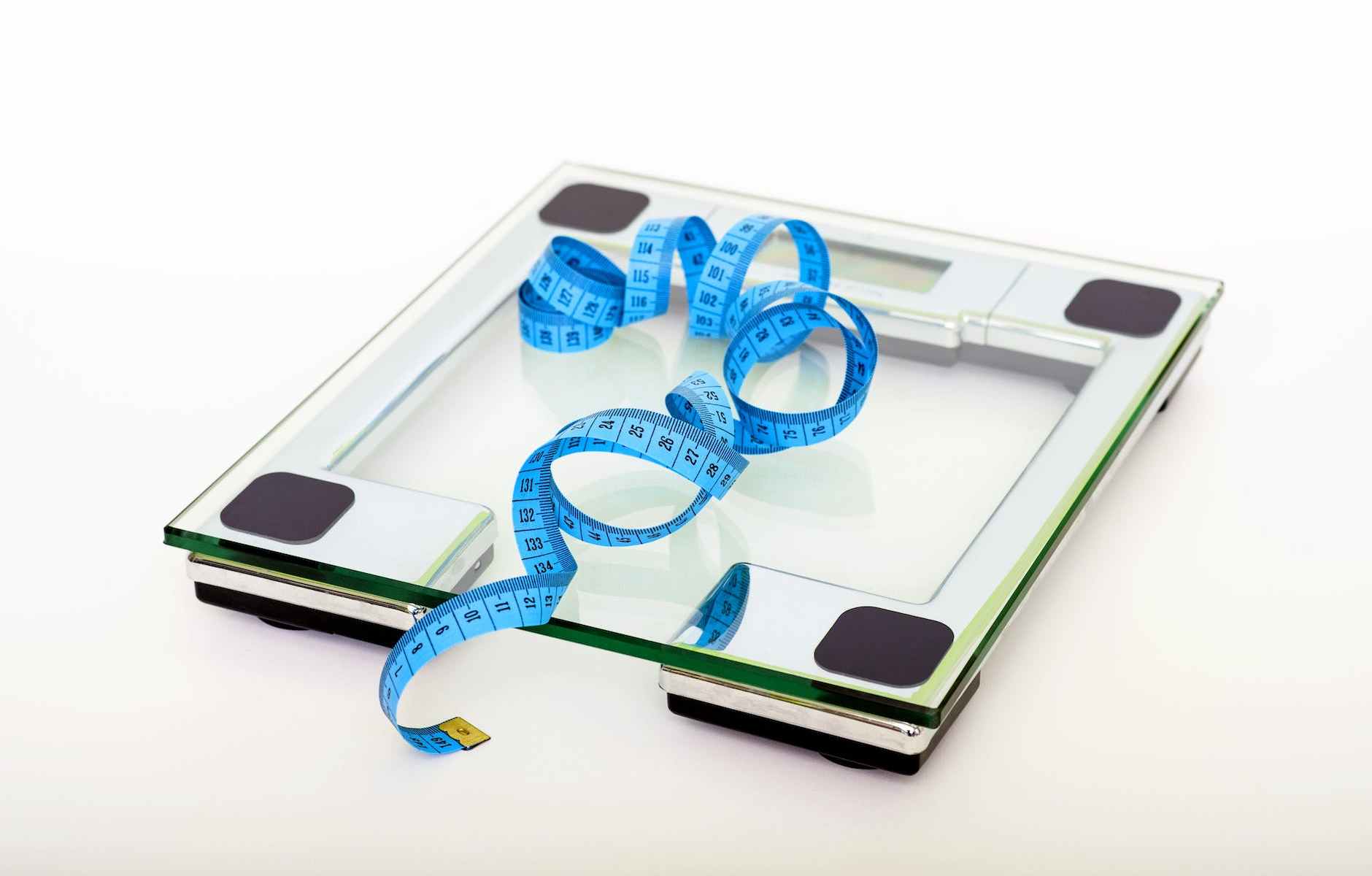
A More Complete Diet Plan

While away on a break from writing original posts I thought I’d share some of my favorites with you from the past three and a half years. In mid-March I’ll return with more original posts. Until then, please enjoy these.

It certainly seems to me that there is no agreement about the best or perfect diet plan to follow. A casual glance reveals an incredible variety of approaches including ketogenic, Mediterranean, low-carb, Veganism, Carnivore and Paleolithic. I could easily name ten more I noticed during thirty seconds of research.

If you factor in specific issues and concerns, the complexity multiplies. We face so many varying physical challenges; diabetes, heart disease, dementia, cancer, allergies and so many more, all calling for modifications to any plan we choose.

It can easily become mind-boggling.

In wondering where to turn for wise counsel we seek out experts. Unfortunately for us, there are experts for every conceivable diet plan. Each has a set of facts to support their position, making it all but impossible to know what path to take.

Adding to this we may find that it is difficult to stick with whatever we do choose. Some diet plans are too restrictive or complicated or cut out all of the foods we like making it very difficult to adhere to them.

I am not a professional in the field nor would that ever be a claim I would make. It is always advisable to discuss all of your specific issues with a qualified medical professional.

What I am is a person who generates a lot of questions. I have found throughout my life that asking good questions prompts me into action, and action is what drives me forward. I am someone who tries to think into and out of issues so that I can offer perhaps a broad range of considerations which might be helpful to you.

For me, the primary question to ask before choosing any path is, ‘why’? What do you personally hope to experience? Weight loss, a fuller life, improve specific aspects of your health or simply look and feel better? Through my personal experience and that of others I know, I have come to realize that without answering the question, ‘why?’, it’s very difficult to apply any plan selected.

I sense it is also critical to take into consideration each aspect of myself; physical, emotional, mental, and spiritual. If I am missing any one of these, I’m unlikely to experience success.

Before I choose a diet plan (or any other important decision) I spend time having an inner dialogue and allowing my physical, emotional, mental, and spiritual selves to voice their concerns and desires. This may sound unusual to you, but sitting back and focusing on each voice provides an opportunity to flesh out my ‘why’ and any challenges which might make it harder for me to succeed.

It also feels important to me to define what ‘success’ means to me because I have little doubt we all end up expecting certain things to happen no matter what decisions we make. Keeping our expectations reasonable and realistic will surely assist us in reaching our aims.

Once you know your ‘why’ and have listened to your inner voices for direction and given some thought to your version of success, it becomes very important to create an action plan.

No matter what diet plan you’ve chosen, there are steps you’ll need to take to shift from what you’re doing presently to how you’re going to implement your new plan. Releasing old patterns and adopting new ones requires some will power.

Is it easy for you to alter your perspectives and habits or will this create major hurdles for you? I believe this is where your ‘why’ comes into play. Once you’ve answered the question of ‘why’, hopefully you’ve armed yourself with positive motivations you can use to overcome any challenges or difficulties you encounter. Having important physical, emotional, mental, and spiritual reasons for your choices gives you power and offers you your best chance for the success you desire.

Whatever you decide, I hope you experience a wonderful life.

Was Buddha Worried About His Weight

While away on a break from writing original posts I thought I’d share some of my favorites with you from the past three and a half years. In mid-March I’ll return with more original posts. Until then, please enjoy these.

One day I was wondering about all of the diets there are around, so I decided to investigate a little. A quick search of the internet produced thirty-nine diets, identifying their strong and weak points.

It was mind boggling.

How could anyone ever hope to understand all of the differences between them and conclude which would be the best to try, if in fact, you wanted to try one at all?

The specifics of each diet change depending on the emphasis of the plan. Many diets support the idea of increasing fruit, vegetables, fish and plant-based foods. Others capitalize on certain foods groups to counter physical conditions like, high blood pressure, diabetes, cardio concerns or to improve mental functioning. In all the cases I read about, nutrition and safety play a major role, but there seems to be a significant difference of opinion, depending on the expert who is providing the information.

Some diets are notoriously difficult to follow, while others make it too challenging to understand the differences between good and bad food items or some other key components.

In many cases there are supporting statements made to attempt to convince a potential dieter of the values or reasons for the individual plans. For instance, some report that the Paleo Diet says, “that if cavemen didn’t eat it, you probably shouldn’t either.”

It wasn’t until my mid 60’s that I felt the need for a diet. A gradual increase in my weight each year suggested I would be in trouble if I didn’t make some immediate changes.

So, off I went to Weight Watchers.

Their program stresses adherence to certain point goals (each food is assigned a point value) and highly recommends attendance at weekly meetings, to monitor weight and participate in conversations with other members, guided by an instructor.

I did, in fact, reach my goal and have been mostly successful in maintaining it, within a reasonable range.

What all of the instructors say is, that to be truly successful, you have to change your mind-set about your relationship with food. Merely altering what you eat for a short time, even though it might produce some results, will fail in the long run.

I believe they are correct.

I believe there is a lot more involved that allows a person to achieve their weight goals. Or, for that matter, any goals they might have.

This is where Buddha comes in.

Have you ever seen a picture of a slender, trim Buddha? I doubt it. Do you think Buddha spent any time concerned about his weight? I also doubt this.

Bear in mind here (BIG DISCLAIMER), I am not suggesting or recommending that you ignore the sound advice from your health professionals regarding any diet ideas they have, especially, if you have an obvious health concern.

What I do want to share is a thought about our ‘beliefs’, especially in relation to what we experience in life.

Considering all dieters, could the difference between those who are successful and those who are not, be their belief about the outcome they would experience, rather than the particular diet they were on?

If you substituted a different concept for dieting (academic, career, relationship, finances…), would it work the same way, meaning your outcome would be directly related to your belief about your outcome, rather than one of the individual steps you took?

It certainly feels to me like an important idea to consider, mostly because it alters the dynamic, shifting it from a conceptual form to one of belief, particularly if the belief is deep seated.

This idea is creating a shift in my mind-set about my food intake and maintaining my weight. What if I had a strong belief that it is not so much about what I eat, as it is about what I believe about what I eat?

That’s something I think Buddha would have something to say about.

Was Buddha Worried About His Weight

I’ve only done this once before during the 2 ½ years I’ve been posting, but I want to repeat this post because it’s the most popular one to date. It seems important somehow to me to put this back out there…so, here it is.

One day I was wondering about all of the diets there are around, so I decided to investigate a little. A quick search of the internet produced thirty-nine diets, identifying their strong and weak points.

It was mind boggling.

How could anyone ever hope to understand all of the differences between them and conclude which would be the best to try, if in fact, you wanted to try one at all?

The specifics of each diet change depending on the emphasis of the plan. Many diets support the idea of increasing fruit, vegetables, fish and plant-based foods. Others capitalize on certain foods groups to counter physical conditions like, high blood pressure, diabetes, cardio concerns or to improve mental functioning. In all the cases I read about, nutrition and safety play a major role, but there seems to be a significant difference of opinion, depending on the expert who is providing the information.

Some diets are notoriously difficult to follow, while others make it too challenging to understand the differences between good and bad food items or some other key components.

In many cases there are supporting statements made to attempt to convince a potential dieter of the values or reasons for the individual plans. For instance, some report that the Paleo Diet says, “that if cavemen didn’t eat it, you probably shouldn’t either.”

It wasn’t until my mid 60’s that I felt the need for a diet. A gradual increase in my weight each year suggested I would be in trouble if I didn’t make some immediate changes.

So, off I went to Weight Watchers.

Their program stresses adherence to certain point goals (each food is assigned a point value) and highly recommends attendance at weekly meetings, to monitor weight and participate in conversations with other members, guided by an instructor.

I did, in fact, reach my goal and have been mostly successful in maintaining it, within a reasonable range.

What all of the instructors say is, that to be truly successful, you have to change your mind-set about your relationship with food. Merely altering what you eat for a short time, even though it might produce some results, will fail in the long run.

I believe they are correct.

I believe there is a lot more involved that allows a person to achieve their weight goals. Or, for that matter, any goals they might have.

This is where Buddha comes in.

Have you ever seen a picture of a slender, trim Buddha? I doubt it. Do you think Buddha spent any time concerned about his weight? I also doubt this.

Bear in mind here (BIG DISCLAIMER), I am not suggesting or recommending that you ignore the sound advice from your health professionals regarding any diet ideas they have, especially, if you have an obvious health concern.

What I do want to share is a thought about our ‘beliefs’, especially in relation to what we experience in life.

Considering all dieters, could the difference between those who are successful and those who are not, be their belief about the outcome they would experience, rather than the particular diet they were on?

If you substituted a different concept for dieting (academic, career, relationship, finances…), would it work the same way, meaning your outcome would be directly related to your belief about your outcome, rather than one of the individual steps you took?

It certainly feels to me like an important idea to consider, mostly because it alters the dynamic, shifting it from a conceptual form to one of belief, particularly if the belief is deep seated.

This idea is creating a shift in my mind-set about my food intake and maintaining my weight. What if I had a strong belief that it is not so much about what I eat, as it is about what I believe about what I eat?

That’s something I think Buddha would have something to say about.

A Diet of Words

I want to choose to use good words every day. Why is that so hard for me? Why am I so tempted to use harmful words to say to others and to myself?

According to one source on the internet, we speak about 7,000 words a day. These are the ones we speak out loud, so that others can hear them.

It makes me wonder; how many words do we say to ourselves in a day? More importantly, what are the words? What do they convey to us? Are they helpful, neutral, or hurtful?

I also wonder; what is their relationship to our physical, emotional, intellectual, and spiritual life? Does each word have weight? I mean this both figuratively and literally. Do certain words weight more than others?

Are the words we choose to say defining us and our experience here on this earth?

Suppose we decide to speak, outwardly or inwardly, words that offer us support and reassurance, would they weigh less than words that condemn or shame us?

If we made a list, what words would offer us hope and set us free? Once created, would we be able to say them to ourselves, and mean them? What would enhance our ability to choose and embrace them?

To me, these are all important questions, because they prompt me to consider my choices, knowing full well that my answers create my experiences.

If I want to produce great results in my life, the words I choose to speak matter. What I say reinforces my actions and what I want to have happen in my life, whether it’s releasing weight from my body, my mind, my heart, or my spirit.

What I say can make it easier or impossible.

I sense the dawning of another question. I wonder what would happen if I released all of the words that don’t support me? I recognize there are so many of these. I’ve already shifted away from one of the cruelest words I know…’should’. I don’t use it anymore because it hurts too much. It hurts me and it hurts anyone I say it to. Its destructive power is immense.

So, if you are game to try something with me, let’s take a moment and write down some words that best support us and our grandest vision of who we want to be. I’m aiming for seven words to start with, but you can pick whatever number seems best to you.

Okay, here are my seven and why I chose them.

  1. Yes (an affirmation of life and a word to be used with other words to accomplish and enjoy things in my life)
  2. Love (the most affirming word in our language, love for others and love for myself)
  3. Gratitude (for what I am experiencing in my life)
  4. Possible (as in, everything is possible, within reach, offering a sense of hope)
  5. Faith (in both things seen and unseen)
  6. Trust (that I am loved, safe, able, connected)
  7. Belief (that I am in charge of what I believe and can make changes when I need to, reshaping my world)

Now I wonder, what would happen if I kept this list of words in places where I could see them. What would happen if I used these words more often than any others? And what would happen if I spoke these words out loud?

What I believe is that it would make an enormous difference, both to me and to those around me. I would be healthier, happier, and lighter. This is what I would like words to do for me.

Dropping Weight

I wonder what the title of this post suggests to you. Perhaps, it might imply the idea of losing physical weight, by following some diet and exercise plan. But, if you thought for a moment, could it also mean something else to you?

Could it mean letting go of the things that weigh you down emotionally, intellectually, or spiritually?

For me, it does.

When I journaled recently about how life was going for me, I discovered several items that came up all had one common theme. They all represented things I felt were missing in my life, or at least it seemed so.

As I thought more about it more, it became clearer that, not only was it about things I felt I didn’t have and wanted, but it was also about things I had, but wanted to get rid of. It was both ends of the spectrum.

That seemed like a pretty significant challenge to try to work through.

That’s when an image appeared. Without thinking about it, I began drawing in the margins of my notebook. I started on the left side with a stick figure that represented me. I was under water and sinking quickly because I was holding a huge heavy weight in my arms. There were little air bubbles escaping my mouth and rising to the surface. I colored in the weight with my pen, making it darker, which gave me an even stronger sensation of descending. It felt oppressive and a sense of desperation began to form.

After a moment I started drawing a new figure in the right margin. It showed the same stick figure, but I had released the weight, which was descending rapidly downward. Once I’d dropped the weight from my arms, I began ascending, up, up, up, until my head broke the surface, and I could breathe again.

Ahhhh, what a relief.

I glanced back and forth between the two drawings, stunned at what they conveyed to me.

In one, I held onto the weight. In the other, I let it go. Could it get any simpler than that?

The outcome depended on a singular decision, which was entirely up to me. I wondered, is that really the case? Could it truly be that easy to change things in my life? Could it be that easy to change things in your life?

As I centered my gaze on the position of the weight in both pictures, the starkness of the difference seized me. On the left, I would not let go, so began sinking. On the right, I let go and began rising. I realized I was repeating my observation, but sometimes that’s necessary for me to actually understand things, even simple things.

So, what in my life weighs me down? And even more importantly, why do I allow this to happen? Why don’t I let go, especially when I know it will harm me in the end?

Of course, the ‘weight’ could be anything; the extra physical weight I carry, past emotional traumas, worries about getting day-to-day tasks completed, whether we’ll always have enough of what we feel we need, or anything else that runs through my mind, sometimes at warp speed.

It feels important to ask myself a question at this point. Will carrying this weight help me or hurt me? In many cases, the answer is obvious, it will hurt me.

So, what do I do about this? How do I just let go?

An answer forms inside me.

In every case where I feel weighed down, I sense there is a message for me. Something meant to illuminate me and guide me toward the surface, where there is air to breathe. Discovering the message then becomes very important to me. So, I began to spend time with each one, allowing them to unfold and offer their wisdom, so I can release them and rise to the surface.

Knowing I have the option to drop the weight makes all the difference to me.